Jason Holmes
Meet the team
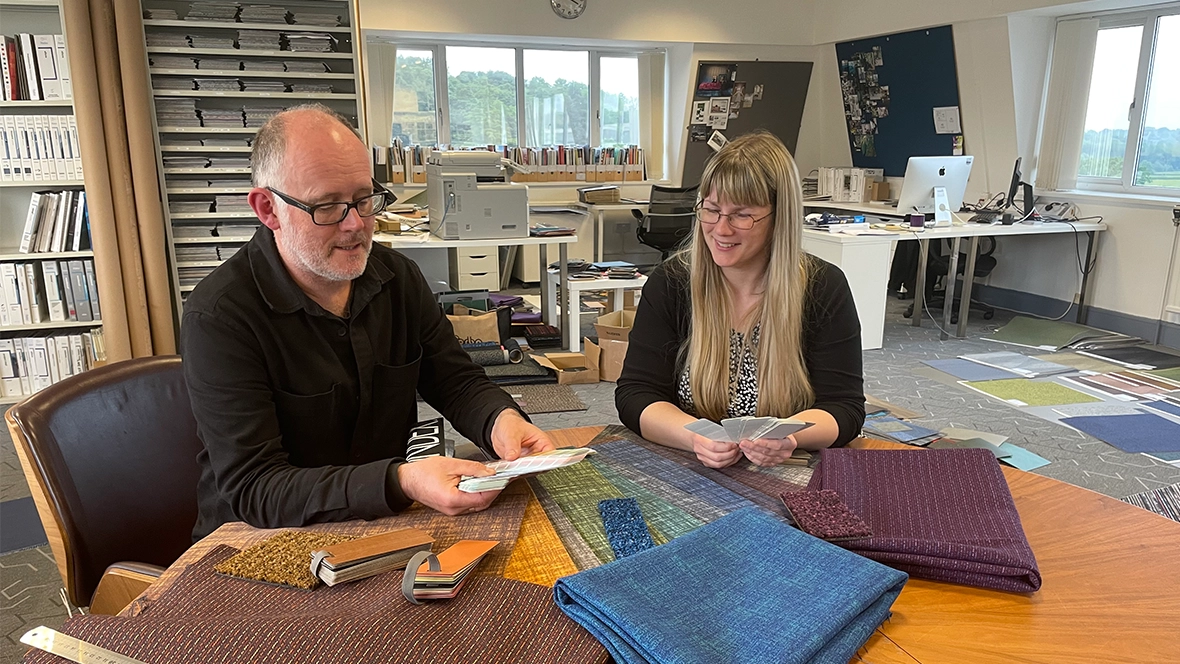

We caught up with our Head of Design Textiles, Jason Holmes, to learn more about the design journey, how creativity and performance come together in transport interiors, and what drives innovation in textile flooring.
I was always interested in design, particularly fashion and interiors, so textiles felt like a natural progression. I studied Textile Design and Design Management, which led me into computer-aided design at a time when technology was evolving rapidly and digital printing was still in its infancy.
From there, I moved into flooring as a way of getting back into the practical side of design, using my experience to manage collection development and strengthen the connection between creative design and manufacturing.
In my current role at Forbo, I lead the design teams for our textile products. I work closely with product management and operations to deliver collections that are not only visually engaging but also fit for purpose, meeting high standards in both design and manufacturability.
With some products, performance characteristics are inherent in the material, and design becomes more of a surface consideration. Digitally printed products are a good example, where the focus is on how the design works within a space in terms of layout and appearance.
With others, the design is intrinsically linked to the product’s construction, meaning every creative decision has a direct impact on performance. In these cases, you rely on a highly skilled team with both technical and creative expertise to push design boundaries without compromising functionality.
Digital printing has had a huge impact, not just on design, but on the entire development process.
The creative freedom it offers is significant; the ability to reproduce anything from photographic imagery to woven or natural textures opens up possibilities that traditional manufacturing methods simply can’t achieve. That said, it still comes down to having a strong design vision, digital printing is just the tool to bring that vision to life.
Where it really stands out is in speed and efficiency. It allows us to test ideas quickly and cost-effectively, with flexible prototyping and lower minimum production quantities. That agility is a major advantage, particularly in the transport sector.
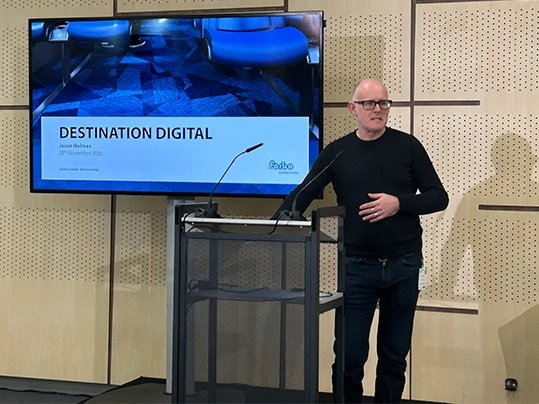
As a design team, we’re closely involved in driving sustainability across all of our textile products.
We collaborate with both internal development teams and external suppliers to ensure we’re using the best possible materials, including recycled yarns where appropriate. Alongside this, we follow our own Green Design principles, which guide decisions around material use, waste reduction and responsible design processes.
Because we design for manufacture, we also focus on creating products that support more sustainable production methods, helping to embed environmental responsibility throughout the lifecycle of the product.
In my spare time, I enjoy cycling and walking, as well as collecting various items and reading. I also like spending time with friends, especially when it involves good food, craft beer and a nice glass of wine.