Dutch Design Week 2026

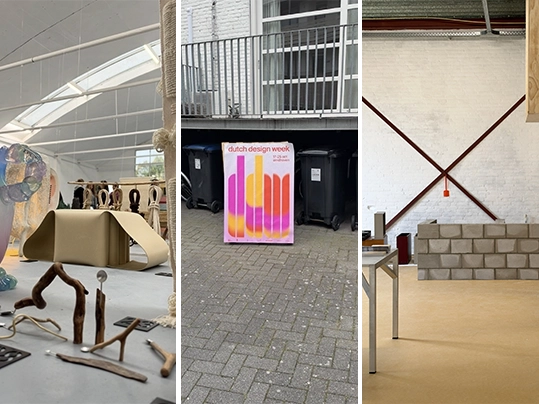
Held annually in Eindhoven, Dutch Design Week is one of Europe’s leading design events, bringing together an international audience of designers, brands, architects, industry professionals and design enthusiasts.
A visit to Dutch Design Week highlights a clear shift in design thinking.
The next generation of designers is moving beyond aesthetics and trends, focusing instead on material responsibility, wellbeing, social impact, circularity, and cultural meaning.
For architects, interior designers, and manufacturers, this means materials are increasingly judged not only by how they look, but by where they come from, how it encourages human behaviour in interior spaces and what happens at the end of their life.
Our designers Dorothé, Kita and Romy visited the event to explore these ideas firsthand, discovering innovative materials and fresh approaches that could inspire future flooring collections.
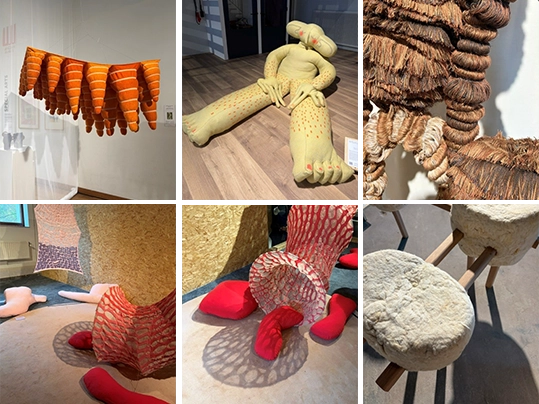
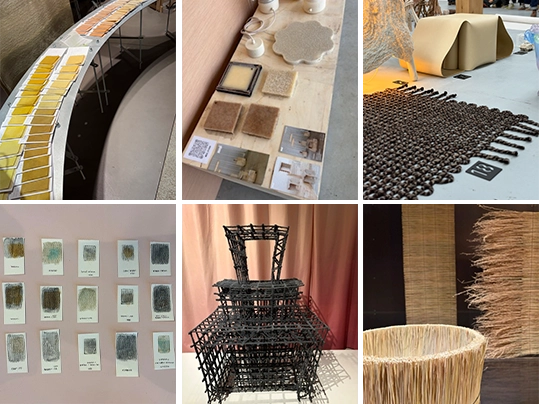
There is a clear move from designing surfaces to designing experiences, expanding the focus on performance, durability and maintenance to include wellbeing, inclusion, sustainability and emotional impact. Through tactile and interactive design, designers create opportunities for people to touch, explore and connect. Examples range from transforming everyday “non-places” such as elevators, corridors and staircases into spaces of engagement, to creating objects in healthcare environments that encourage interaction and playful distraction, helping to reduce stress and improve wellbeing.
Designers research the future of our materials. Environmental issues are still an important topic. Many designers look beyond sustainability and explore how people, materials and nature work together.
Their projects focus on topics such as reusing waste, creating circular material systems, supporting biodiversity, and making production more responsible. Instead of designing another "green" product.
They aim to research ways for people and the environment to coexist.
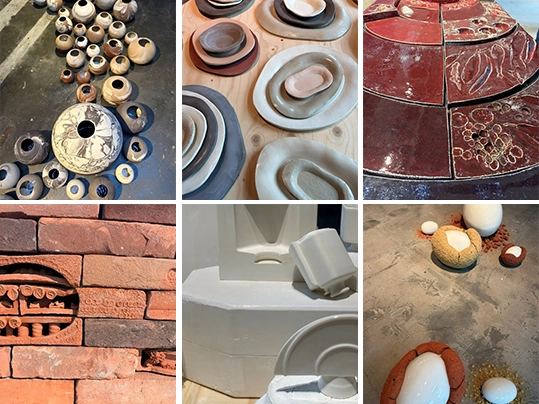
There is growing appreciation for authentic materials like brick, and clay. They are valued for its direct connection to the earth and the hands of the maker. Through hand-forming and traditional ceramic techniques, designers create unique objects that celebrate irregularity, individuality, and craftsmanship. The making process itself can become a tool for reflection.
At the same time, these materials are being used in new ways. By exploring their origins and stories, designers transform materials like brick from simple building products into meaningful elements that connect people to place, history, and nature.
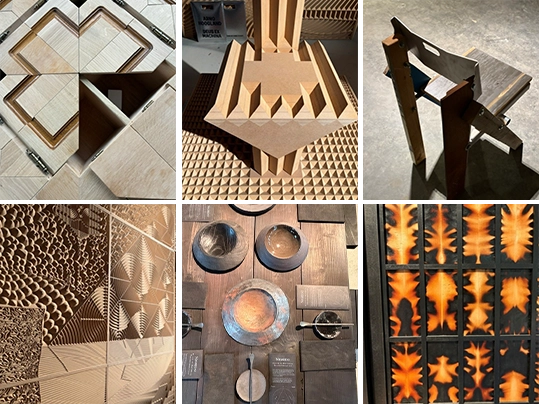
Designers are rediscovering the sensory qualities of wood through processes such as carving, burning and oxidation, creating rich textures and patterns that celebrate craftsmanship and material authenticity.
This approach inspires a new way of thinking about materials for example by transforming MDF from a low-value product into a premium design material with texture, depth and three-dimensional surfaces that evoke the character of real wood.
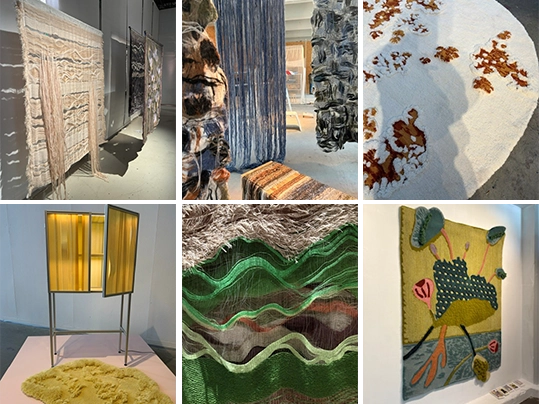
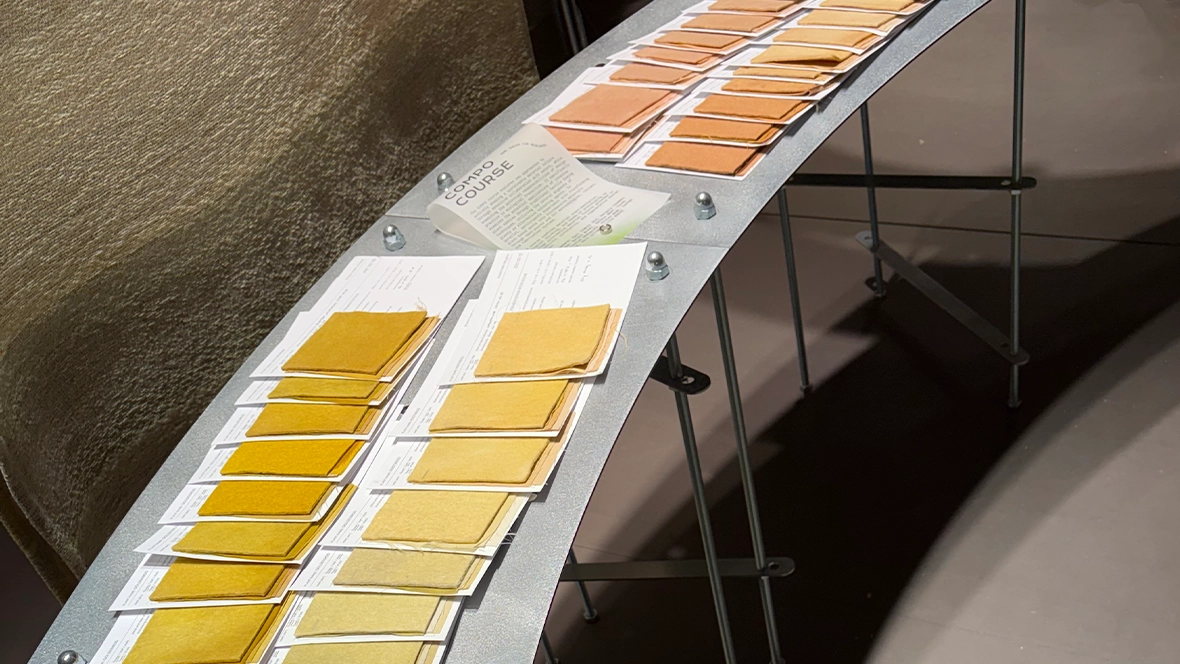
Textiles in interiors go beyond decoration, helping create spaces that support wellbeing, inclusion and comfort. Soft, tactile materials can reduce stress, improve acoustics and make environments feel safer and more welcoming.
Textiles also support sustainability through recycled, natural and circular materials. In an increasingly digital world, touch and texture provide meaningful sensory experiences that reconnect people with materials, places and each other.
Ultimately, textiles translate values such as care, belonging, wellbeing and sustainability into something people can directly experience and feel.
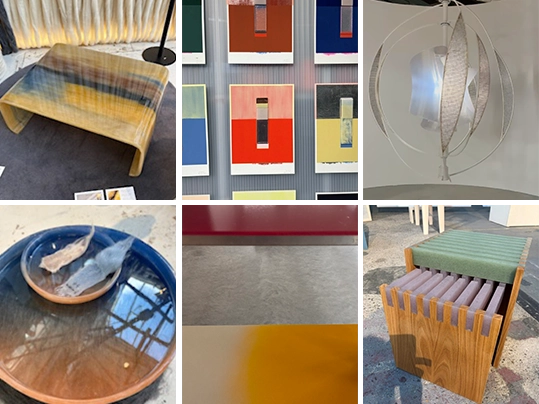
Translucent materials diffuse light and soften spaces, creating a calm, layered atmosphere. They balance openness and privacy, making interiors feel brighter and more connected, where light, shadow and movement become part of the experience.
Designers use translucent materials to express lightness, flexibility, and experimentation, while creating spaces that feel immersive, contemporary, and emotionally engaging.